
Types Of Headaches And How To Treat Them
Headaches are one of the most common medical complaints around the world. Almost everyone experiences a headache at some point in their life. There are many different types of headaches, and each may have its own cause and treatment.
Content
types of headache
When to see a doctor
people also ask
Types of headache
Tension headache
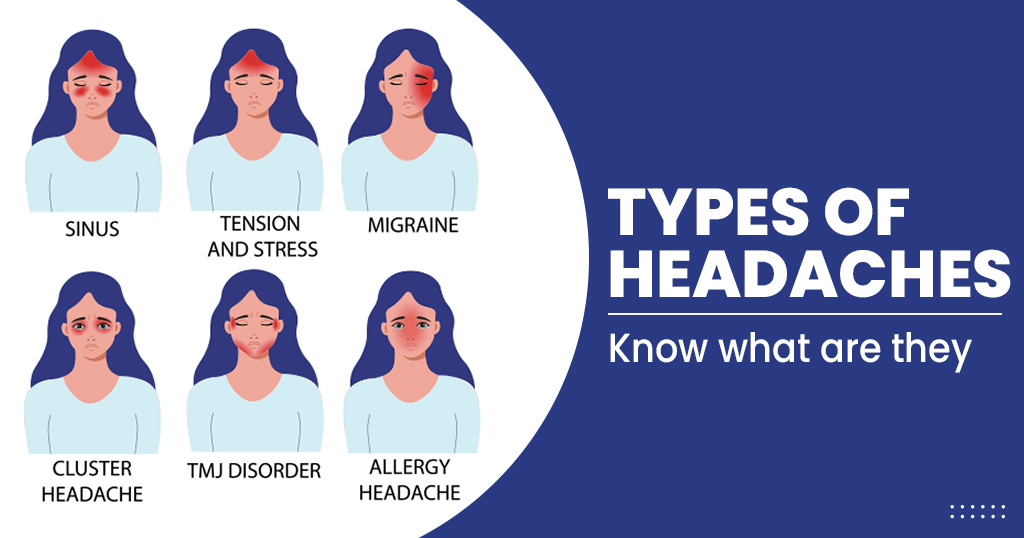
Tension headaches are the most common type of headache. They are often described as a band-like pressure or tightness around the head. They are caused by muscle tension in the neck, scalp, and jaw. Stress, poor posture, and anxiety are some of the common triggers for tension headaches. Relaxation techniques, including deep breathing exercises, yoga, and massage therapy, can also help relieve muscle tension and headaches.
migraines
Migraines are a type of headache that can cause severe pain on one or both sides of the head. They are often accompanied by other symptoms, such as nausea, vomiting, and sensitivity to light and sound. Migraines are caused by changes in the brain and surrounding blood vessels. Certain triggers, such as stress, hormonal changes, and certain foods and drinks, can trigger a migraine attack. Treatment for migraines can vary. Lifestyle changes, such as regular exercise, healthy eating habits, and stress management techniques, can also help reduce the frequency and intensity of migraines.
Terrible headache
Cluster headaches are rare but very intense headaches that occur in clusters, usually for several weeks or months at a time. They are often described as a sharp, stabbing pain on one side of the head and may be accompanied by other symptoms, such as redness, watering, and congestion of the affected eye. The cause of cluster headaches is unknown, but they may be related to the body’s biological clock or the release of certain chemicals in the brain. Treatment for cluster headaches may include high-flow oxygen therapy, prescription medications, or nerve stimulation techniques.
sinus headache
Sinus headaches are caused by inflammation or infection of the sinuses, which are located around the nose and eyes. They are often described as a deep, shooting pain in the forehead, cheeks, or nose. Other symptoms may include a stuffy or runny nose, fever, and facial swelling. Decongestants and nasal sprays can also be used to help clear the sinuses and reduce inflammation.
rebound headache
Rebound headaches are a type of headache that occurs as a result of overuse of pain relievers. They are often described as a dull, constant ache that can be difficult to relieve. Rebound headaches can occur in people who take pain relievers for headaches more than three times a week for several months. The best treatment for rebound headaches is to stop taking the pain relievers that cause them. A health professional can also recommend alternative pain management strategies to help control your pain.
hormonal headache
Hormonal headaches are often associated with changes in the body’s hormone levels. They commonly occur in women during menstrual cycles, pregnancy, and menopause. These headaches are often treated with pain relievers, hormone therapy, or birth control pills.
Cervicogenic headache
Cervicogenic headaches are caused by problems in the neck, such as poor posture, injury, or arthritis. They often feel like a dull, aching pain on one side of the head and may be accompanied by pain or stiffness in the neck. Treatment for cervicogenic headaches may include physical therapy, chiropractic care, or nerve blocks.
thunderclap headache
Thunderclap headaches are a type of headache that comes on suddenly and severely, like “thunderclap.” They can be a sign of a serious medical condition, such as a brain hemorrhage or a ruptured aneurysm. If you experience a sudden, severe headache, seek medical attention immediately.
exertional headache
Exertional headaches occur during or after physical activity, such as exercise, coughing, or sexual intercourse. They are usually caused by increased pressure in the blood vessels of the head and neck. Treatment may involve rest, hydration, and avoiding activities that trigger headaches.
It is important to note that there are many other types of headaches and each can have their own causes and treatment options. If you experience frequent or severe headaches, it is important to speak with a healthcare professional to determine the best treatment for your specific condition.
ice pick headache
Ice pick headaches are brief, intense headaches that feel like a sharp, stabbing pain. They usually last only a few seconds to a minute, but can occur several times a day. The cause of ice pick headaches is unknown, but they may be related to nerve irritation or inflammation. Treatment may include preventive medications, nerve blocks, or lifestyle changes.
Allergy or sinus headache
Allergic or sinus headaches are caused by inflammation or congestion in the sinuses. They are usually accompanied by other symptoms, such as a stuffy or runny nose, fever, and facial swelling.
caffeine headache
Caffeine headaches occur when someone consumes caffeine regularly and then abruptly quits. They can cause stabbing pain and may be accompanied by other symptoms, such as fatigue, irritability, and difficulty concentrating. Treatment may include gradually reducing your intake of caffeine or prescription medications.
hypertension headache
Hypertension headaches are caused by high blood pressure. They usually feel like a dull, stabbing pain on both sides of the head and may be accompanied by other symptoms, such as dizziness and nausea. Treatment may include lifestyle changes, such as exercise and a healthy diet, and medications to lower blood pressure.
rebound headache
Rebound headaches are caused by overuse of pain relievers. They usually occur when someone takes pain relievers for headaches more than three times a week for several months. Treatment involves stopping the use of pain medications and may include alternative pain management strategies.
post traumatic headache
Post-traumatic headaches are caused by head injuries, such as concussions. They usually occur within a week after the injury and may be accompanied by other symptoms, such as dizziness, confusion, and memory problems. Treatment may include rest, medication, and rehabilitation therapy.
spinal headache
Spinal headaches are caused by a leak of cerebrospinal fluid from the spinal cord or brain. They usually occur after a lumbar puncture, epidural, or spinal anesthesia. They are characterized by throbbing pain in the head and neck and may be accompanied by other symptoms, such as nausea and vomiting. Treatment may include rest, hydration, and medication to control pain.
It is important to note that these are just a few examples of the different types of headaches. If you experience frequent or severe headaches, it is important to speak with a healthcare professional to determine the best treatment for your specific condition.
When to consult a doctor?
See a doctor if you have headaches that are severe, persistent, or accompanied by fever, stiff neck, numbness or weakness in the extremities, confusion, vision changes, or head injury. See a primary care physician or neurologist.