
How To Prevent Prostate Cancer
Prostate cancer is a type of cancer that develops in the prostate gland, which is a small gland in men that produces semen.
Content
Symptoms of prostate cancer
Causes and risk factors.
How to avoid prostate cancer?
What Kind of Doctor Do You Need for Prostate Cancer?
People also ask
Prostate cancer is a prevalent type of cancer that affects men, but it can be treated effectively if detected early. The prostate, located between the bladder and the penis, is responsible for producing seminal fluid, secreting PSA protein, and assisting in the control of urine. The exact cause of prostate cancer is unknown, but the risk increases with age.
Symptoms of prostate cancer
Prostate cancer may have no symptoms during its early stages, but screening tests can detect changes that may indicate its presence. The screening process involves measuring PSA levels in the blood, and high levels suggest the possibility of cancer.
However, some men may experience symptoms including difficulty starting and maintaining urination, frequent urination at night, weak urine stream, blood in urine or semen, pain with urination or ejaculation, and pain in the pelvis. the hips or the back.
Advanced prostate cancer may not show symptoms, and the severity of symptoms depends on the size and spread of the cancer in the body. In addition to the symptoms mentioned above, advanced prostate cancer can also cause bone pain, unexplained weight loss, and fatigue.
Causes and risk factors
Researchers don’t know the exact cause of prostate cancer, but it usually develops due to changes in glandular cells, known as prostatic intraepithelial neoplasia (PIN). About 50% of men over the age of 50 have PIN, which can become cancerous over time. Cancer cells can be high-grade or low-grade, and high-grade cells are more likely to spread than low-grade cells.
Several risk factors can increase the chance of developing prostate cancer, including age, race or ethnicity, family history, genetic factors, and diet. The risk of prostate cancer increases after age 50 and is more common in blacks than in whites. Those who have a close relative with a history of prostate cancer have a higher chance of developing it, and inherited characteristics or mutations in genes such as BRCA1, BRCA2, and Lynch syndrome may also increase the risk. Also, some evidence suggests that high-fat diets may increase the risk of prostate cancer.
How to avoid prostate cancer?
1. Maintain a healthy diet
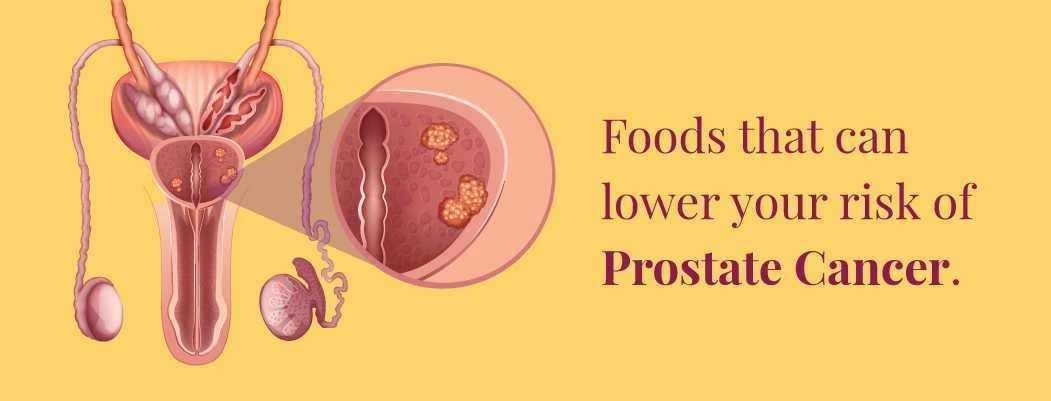
A healthy diet is crucial to maintaining good health and reducing the risk of many diseases, including prostate cancer. Some foods that are particularly beneficial for prostate health include:
Fruits and vegetables: Fruits and vegetables are rich in antioxidants, which can help protect cells from damage and reduce the risk of cancer. In particular, cruciferous vegetables such as broccoli, cauliflower and cabbage may have a protective effect against prostate cancer.
Tomatoes contain lycopene, a powerful antioxidant that may help prevent prostate cancer. Cooked tomatoes are believed to be particularly beneficial, as the cooking process increases the bioavailability of lycopene.
Fish: Fish high in omega-3 fatty acids, such as salmon, sardines, and mackerel, may have a protective effect against prostate cancer.
Green tea: Green tea contains compounds called catechins, which may have anti-cancer properties. Some studies have suggested that green tea may help reduce the risk of prostate cancer.
2. Stay physically active
Regular exercise is important for maintaining good health and reducing the risk of many diseases, including prostate cancer. Exercise can help regulate hormone levels and reduce inflammation, both of which may play a role in the development of prostate cancer. Try to get at least 30 minutes of moderate exercise on most days of the week. Some examples of moderate exercise include:
walk fast
Run
Cycling
Swim
Dance
3. Get screened regularly
While there is no guaranteed way to prevent prostate cancer, early detection is crucial for successful treatment. Men should begin regular prostate cancer screening at age 50 or earlier if they have a family history of the disease or other risk factors. Screening usually involves a digital rectal exam (DRE) and a prostate-specific antigen (PSA) blood test.
4. Limit alcohol consumption
Excessive alcohol consumption has been linked to an increased risk of several types of cancer, including prostate cancer. Limit your alcohol intake to no more than two drinks per day for men.
5. Quit smoking
Smoking has been linked to the risk of several types of cancer, including prostate cancer. If you smoke, quitting is one of the best things you can do for your overall health. Talk to your doctor about strategies to quit smoking.
6. Manage stress
Chronic stress can have a negative impact on your health, including the health of your prostate. Stress can cause inflammation and weaken the immune system, which can increase the risk of developing cancer. Try to find healthy ways to manage stress, such as exercise, meditation, or spending time with loved ones.
7. Consider taking supplements
Some supplements that may be beneficial for prostate health include:
Vitamin D: Some studies have suggested that low levels of vitamin D may be linked to an increased risk of prostate cancer. Talk to your doctor about whether you should get your vitamin D levels tested or consider taking a vitamin D supplement.
Selenium: Selenium is a mineral that may have anti-cancer properties. Some studies have suggested that selenium supplements may help reduce the risk of prostate cancer.
Zinc: Zinc is an important mineral for prostate health. Some studies have suggested that zinc supplements may help reduce the risk of prostate cancer.
What Kind of Doctor Do You Need for Prostate Cancer?
If you are concerned about prostate problems, a doctor may refer you to a urologist who specializes in urinary tract problems. If prostate cancer is diagnosed, a specialist in cancer treatment (oncologist) or radiation therapy (radioncologist) may be recommended.