How To Increase Sodium Levels
Hyponatremia, also known as low blood sodium, is a condition in which the concentration of sodium in the blood is lower than normal. Sodium is a mineral that plays a critical role in regulating fluid balance in the body, transmitting nerve impulses, and maintaining muscle and nerve function. When blood sodium levels drop too low, it can cause a wide range of symptoms and health complications.
Causes
There are many possible causes of hyponatremia. One of the most common causes is excessive fluid intake, which can dilute the sodium in the blood. Other causes include certain medications and medical conditions that affect the kidneys or adrenal glands and hormonal imbalances.
Symptoms of hyponatremia
It can range from mild to severe and may include
Headache
Nausea and vomiting
Confusion
Muscle cramps
Lethargy
Seizure
Treatment
Treatment for hyponatremia depends on the underlying cause and severity of the condition. Mild cases of hyponatremia may not require any treatment, while more severe cases may require medical help to raise sodium levels in the blood. In addition to medical treatment, it is important to address any underlying factors that may have contributed to the development of hyponatremia, such as excessive fluid intake or medication use.
Preventing
Hyponatremia involves maintaining a healthy body balance of fluids and electrolytes. This can be achieved by staying hydrated but not overhydrated and avoiding excessive fluid intake, especially during intense physical activity. If you are taking medications that can cause hyponatremia, be sure to talk to your doctor about the risks and possible side effects. It’s also important to monitor your sodium levels regularly, especially if your medical condition puts you at risk for hyponatremia.
Hyponatremia is a condition that can have serious health consequences if left untreated. Therefore, it is important to know the possible causes and symptoms of hyponatremia and seek medical attention if you experience any of these symptoms. With proper treatment and preventative measures, it is possible to control hyponatremia and maintain a healthy body fluid and electrolyte balance.
Home Remedies to Increase Your Sodium Levels
If you’re looking to increase your sodium levels, here are some effective ways to do it:
Increase your salt intake
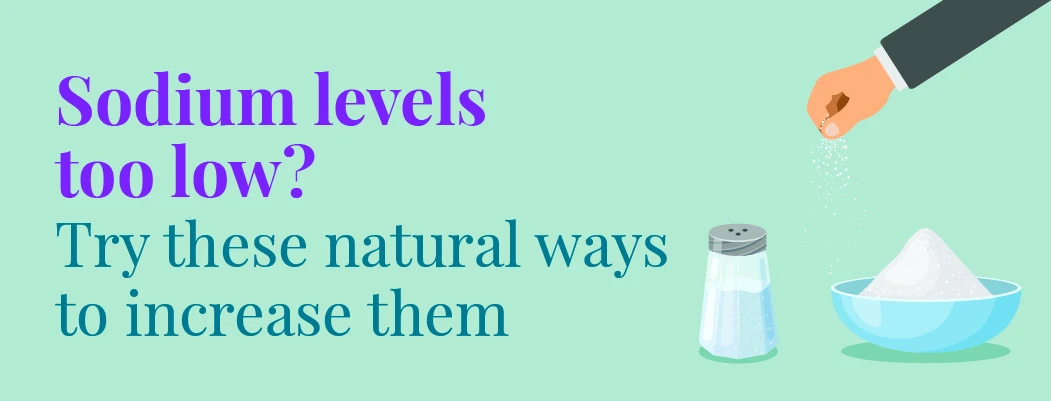
Eating more salt is the easiest way to increase your sodium levels. Salt, also known as sodium chloride, is the main source of sodium in our diet. However, it is essential to note that consuming too much salt can lead to high blood pressure, which can increase the risk of heart disease and stroke. Therefore, it is essential to control salt consumption and stay within the recommended daily limits.
Studies recommend consuming no more than 2,300 milligrams of sodium per day, which is about a teaspoon of salt. However, if you have certain medical conditions, such as hypertension, diabetes, or kidney disease, you may need to limit your salt intake even more.
Eat more foods rich in sodium.
In addition to salt, many other foods are naturally high in sodium. These include:
Processed and canned foods, such as soups, sauces, and snacks.
Cheese and other dairy products
Meat and poultry
Seafood, such as shrimp and oysters.
Vegetables, such as beets, carrots, and celery.
Condiments, such as soy sauce and ketchup.
Incorporating more of these foods into your diet can help increase your sodium levels.
However, it is essential to pay attention to the nutritional value of these foods and consume them in moderation.
Drink sports drinks or electrolyte solutions.
If you have low sodium levels due to excessive sweating or dehydration, sports drinks or electrolyte solutions can help increase your sodium levels. These drinks contain a mixture of water, sugar, and electrolytes, including sodium, potassium, and chloride. They are designed to replace fluids and electrolytes lost during physical activity.
However, it is essential to note that some sports drinks may contain high levels of sugar, which can lead to weight gain and other health problems. Look for sports drinks with balanced electrolytes and low sugar.
Manage underlying medical conditions
Finally, let’s say you have low sodium levels due to an underlying medical condition, such as kidney disease or adrenal insufficiency. In that case, it is essential to monitor the condition to increase sodium levels. Depending on the specific condition, this may involve medication, dietary changes, or other interventions.
Drink vegetable juice
Drinking vegetable juice can be an easy way to cover your daily intake of fruits and vegetables. However, it’s important to note that many packaged vegetable juices have added salt, which increases sodium levels. Therefore, fresh vegetable juice is recommended as it naturally contains healthy amounts of sodium, which can benefit your body in several ways.
canned vegetables
Canned vegetables are another option, but they often contain high levels of salt. To reduce the salt content, you can drain and wash them for a few minutes, which can reduce their sodium levels by 9 to 23%. However, fresh vegetables are always a better option and if you opt for canned ones, make sure to clean them properly.
For example, a 100g serving of canned peas contains about 250mg of sodium, which is about 30-40% of the recommended daily value (DV). Similarly, a 100g serving of canned asparagus contains around 700mg of sodium, which is also 30-40% of the daily value. Therefore, it is highly recommended to consume fresh vegetables instead of canned vegetables.