
How To Get Rid Of Dandruff And Hair Fall?
Causes Of Dandruff And Hair Fall
Dandruff and hair fall are two common hair and scalp issues that can cause significant distress. Understanding the causes of these problems is essential for effectively way and finding suitable solutions. Let’s discover the various factors that contribute to dandruff and hair fall.
Causes Of Dandruff:
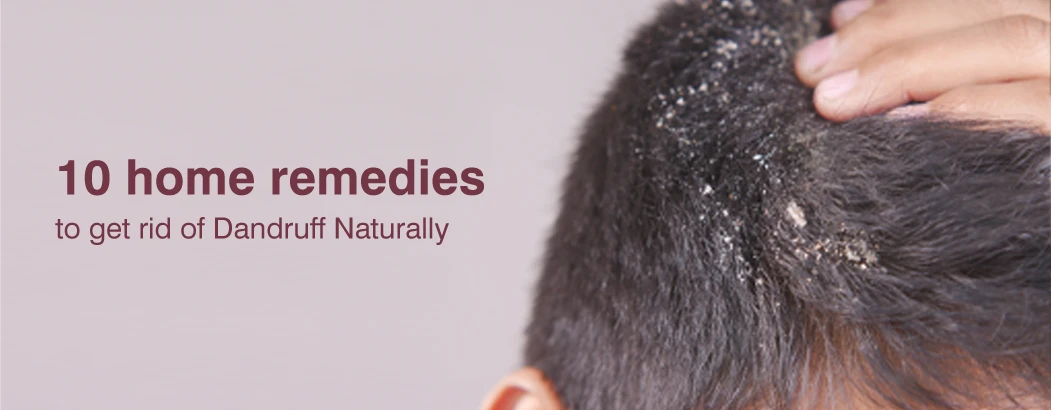
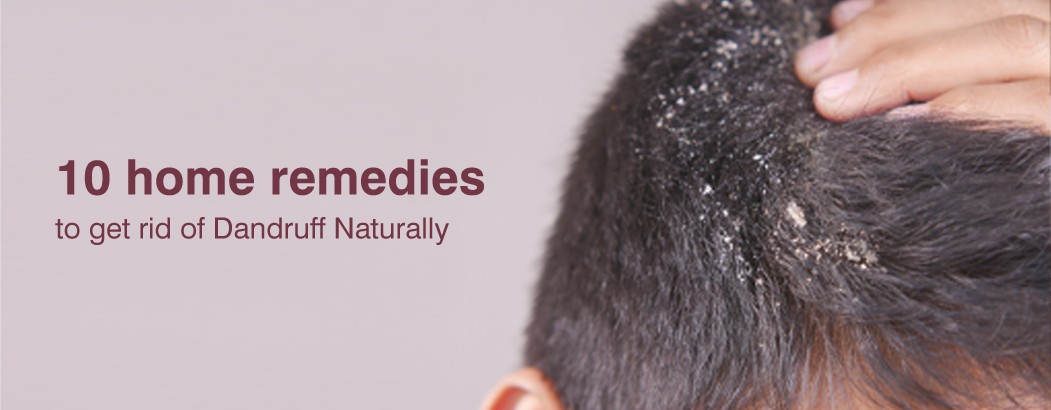
Dandruff, often itchy and flaky, can appear on the scalp, with various contributing factors, although its exact cause is not always clear.
Malassezia
This is a yeast-like fungus that naturally lives on the scalp of most adults. However, in some people, it can multiply rapidly, leading to skin cell turnover and causing dandruff.
Oily Skin
Excessive oil production on the scalp can create an environment where Malassezia thrives. Oily skin is a common risk factor for dandruff.
Dry Skin
Dry skin can also cause dandruff. When the skin becomes excessively dry and flakes off, it makes dandruff appear.
Sensitivity to Hair Product
Dandruff is a common scalp condition identified by white flakes and itching. It can be caused by dry skin, fungal overgrowth, sensitivity to hair care products, and medical conditions. Understanding these causes helps in effective dandruff management.
Not Shampooing Enough
Infrequent hair washing can accumulate oils and dead skin cells on the scalp, creating a suitable environment for dandruff.
Dietary Factors
Ongoing research specifies that diet might influence dandruff. High sugar and high fat diets may cause dandruff in certain people.
Causes Of Hair Fall
Hair loss, also known as hair fall or alopecia can be attributed to factors including;
Genetics
One of the causes of hair loss is having a predisposition. If hair loss runs, in your family you may have a likelihood of experiencing it.
Hormonal Changes
Fluctuations in hormones due to events like pregnancy, menopause or thyroid disorders can contribute to hair loss.
Medical Conditions
Certain medical conditions such as alopecia areata, scalp infections and underlying health issues can lead to hair loss.
Medications
Some medications used for cancer treatment, arthritis relief, depression management and heart conditions may have the effect of causing hair loss.
Stress
Physical or emotional stress can result in hair loss. This type of hair fall is often reversible through stress management techniques.
Hairstyling Practices
Overusing pulled hairstyles or using heat or chemicals frequently can weaken the structure of the hair shaft, causing breakage and resulting in hair loss.
Nutritional Deficiencies
Insufficient nutrition, especially low iron and protein, can harm hair health and cause hair loss. Recognizing the reasons for dandruff and hair fall is key to addressing these issues effectively. Various treatments and lifestyle changes can help manage these concerns depending on the factors involved. Consulting a dermatologist for personalized advice and treatment is advisable.
When To Consult A Doctor For Dandruff?
If your dandruff persists despite trying home remedies or over-the-counter treatments, consult a doctor. A doctor’s help is essential when dandruff becomes stubborn and troublesome.
Additionally, seek medical advice if you experience severe itching, scalp redness, or notice pus filled sores along with dandruff. These signs may indicate a more serious scalp issue that needs diagnosis and treatment from a dermatologist or healthcare professional. Timely consultation ensures proper steps are taken to address the root cause of dandruff and provide relief from persistent symptoms.
Tips To Get Rid Of Dandruff
1) Choose the Right Shampoo
Choosing the right shampoo is the first step in dandruff treatment. The use of an anti dandruff shampoo with active components like zinc pyrithione, ketoconazole, or selenium sulfide is advised by medical authorities. These components aid in fungal management that can help prevent dandruff. To properly manage dandruff, use the shampoo frequently at least twice per week.
Maintain Good Scalp Hygiene
Proper scalp hygiene is essential to prevent dandruff. Doctors advise gently massaging your scalp while shampooing to loosen flakes and improve circulation. However, avoid excessive scratching, as it can worsen the condition and lead to scalp irritation.
Adjust Your Diet
Your diet affects dandruff. Eat foods with Omega-3s (salmon, walnuts) for scalp health. Avoid sugary, fatty foods to reduce scalp inflammation.
Manage Stress
Stress worsens dandruff. Deep breathing exercises and yoga are recommended by doctors as stress management techniques to reduce stress levels. Reducing stress can help minimize dandruff flare ups and improve overall scalp health.
Avoid Harsh Hair Products
Certain hair products can worsen dandruff. Consult a dermatologist for gentle product advice. Avoid excessive hair sprays and styling products that may clog follicles and make dandruff worse.
Get Adequate Sunlight
Exposure to natural sunlight can benefit your scalp health. Doctors suggest spending some time outdoors, as sunlight can help regulate the yeast on your scalp, reducing dandruff symptoms. However, always use sunscreen to protect your skin from harmful UV rays.
Stay Hydrated
Proper hydration is essential for overall skin health, including your scalp. Doctors recommend drinking an adequate amount of water daily to keep your skin and scalp hydrated. Dehydrated skin can worsen dandruff symptoms.
Seek Professional Guidance
If your dandruff persists despite trying over the counter remedies and lifestyle adjustments, consult a healthcare professional or dermatologist. They can evaluate your condition and recommend prescription strength treatments like medicated shampoos, topical steroids, or antifungal creams, tailored to your specific needs.