How To Cure Cervical Spondylosis Permanently?
What is cervical spondylosis?
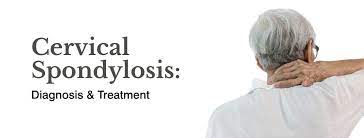
Cervical spondylosis is a degenerative condition that affects the cervical spine, which is the neck region of the spine. It involves the rupture of the spinal discs and the development of bony growths called osteophytes. These changes can lead to compression of the spinal cord or nerve roots, causing pain, stiffness, and other symptoms.
What is spondylosis?
Spondylosis refers to the degenerative changes that occur in the spine as a result of age-related wear and tear. It commonly affects the cervical spine, leading to cervical spondylosis. These changes involve the intervertebral discs, vertebrae, and facet joints, which can cause pain, stiffness, and other symptoms.
Spondylitis Vs Spondylosis
While both spondylitis and spondylosis are related to spinal problems, they are different conditions. Spondylitis refers to inflammation of the joints in the spine, commonly associated with conditions such as ankylosing spondylitis or psoriatic arthritis. On the other hand, spondylosis is a degenerative condition caused by age-related changes in the spine.
Symptoms of cervical spondylosis
The symptoms of cervical spondylosis can vary from person to person. Common symptoms include:
Neck Pain
Rigidity
Headaches
Shoulder pain
Tingling or numbness in the arms or hands
Weakness in the arms or hands
Some people may also have difficulty maintaining balance or coordination.
Causes of cervical spondylosis
Cervical spondylosis is mainly caused by age-related changes in the spine. As we age, the spinal discs lose their water content, become less flexible, and more prone to damage. Additionally, repeated stress and wear and tear on the neck, poor posture, injury, and genetic factors can all contribute to the development of cervical spondylosis.
Causes of cervical spondylosis
Cervical spondylosis is mainly caused by age-related changes in the spine. As we age, the spinal discs lose their water content, become less flexible, and more prone to damage. Additionally, repeated stress and wear on the neck, poor posture, injury, and genetic factors can all contribute to the development of cervical spondylosis.
Cervical Spondylosis Risk Factors
Several risk factors increase the chance of developing cervical spondylosis. These include advanced age, a sedentary lifestyle, occupations that involve repetitive neck movements or heavy lifting, smoking, obesity, and a family history of the condition. Understanding these risk factors can help you take preventive measures.
Who is at higher risk of getting cervical spondylosis?
The following people are at increased risk of developing cervical spondylosis:
Older adults: Older age is a significant risk factor for cervical spondylosis. As we age, the discs in the spine gradually degenerate, leading to the development of this condition.
Smokers: Cigarette smoking has been associated with an increased risk of cervical spondylosis. The harmful chemicals present in tobacco can contribute to the degeneration of the spinal discs and accelerate the progression of the condition.
Family history: Having one or more relatives with cervical spondylosis can increase the chance of developing the condition. Genetic factors may play a role in susceptibility to spinal degeneration.
Occupational Factors: Certain occupations that involve repetitive neck motion or prolonged neck strain are associated with an elevated risk of cervical spondylosis. Examples include painters who frequently look up, plumbers or floorers who maintain a head-down position, and people who work with incorrect neck posture for long periods of time, such as those who stare at incorrectly positioned computer screens. .
Previous neck injuries: People who have suffered a neck injury, such as a car accident or fall, are at higher risk of developing cervical spondylosis. Neck trauma can accelerate degenerative changes in the spine.
Heavy lifting: Engaging in activities that involve heavy lifting, such as construction work, can put undue stress on the neck and increase the risk of cervical spondylosis.
Vibration Exposure: Prolonged exposure to vibrations, such as those experienced by bus or truck drivers, can contribute to the development of cervical spondylosis.
Prevention of cervical spondylosis
Although it may not be possible to completely prevent cervical spondylosis, certain lifestyle modifications can reduce the risk and delay its onset.
Maintain good posture
Practice regular neck exercises and stretches.
Avoid excessive tension on the neck.
Weight control
Give up smoking
Diagnosis of cervical spondylosis
The diagnosis of cervical spondylosis involves a combination of medical history, physical examination, and diagnostic tests. A healthcare professional will assess your symptoms, examine your neck and spine, and may order imaging tests such as X-rays, MRIs, or CT scans to assess the degree of degeneration and rule out other conditions.
home remedies for cervical spondylosis
Various home remedies and self-care measures can alleviate the symptoms of cervical spondylosis. These include
Apply heat or cold compresses
Practice gentle exercises and stretches for the neck.
Maintain good posture
Use of pillows and ergonomic supports.
Incorporate relaxation techniques such as meditation or yoga into daily routines.
Who to see for cervical spondylosis
When experiencing symptoms of cervical spondylosis, it is important to see a health professional for an accurate diagnosis and proper treatment. Depending on the severity of the symptoms, a general practitioner, an orthopedic specialist, a neurologist or a physiotherapist may be consulted.
Summary
Cervical spondylosis is a chronic condition that requires long-term treatment to relieve symptoms and improve quality of life. By understanding the causes, risk factors, prevention measures, and the various treatment options available, people can make informed decisions about their health. Additionally, adopting healthy lifestyle habits, practicing self-care, and seeking appropriate medical care can help people effectively manage cervical spondylosis and live a fulfilling life.
people also ask
1. What is the best home treatment for cervical spondylosis?
While a complete cure may not be achievable, there are several treatment options available to manage cervical spondylosis. These include physical therapy exercises, pain management techniques, medications to relieve pain and inflammation, and, in severe cases, surgical interventions. The choice of treatment depends on the individual’s symptoms and their impact on daily life.
2. What is an easy remedy for cervical spondylosis?
An easy and effective remedy for cervical spondylosis is to maintain a proper posture throughout the day. Sitting and standing with a straight spine, avoiding excessive bending or twisting of the neck, and using ergonomic furniture can help relieve neck tension and reduce symptoms.
3. Can you live a normal life with cervical spondylosis?
Yes, with proper management and treatment, it is possible to live a relatively normal life with cervical spondylosis. By adopting healthy lifestyle habits, following prescribed exercises and treatments, and seeking professional help when necessary, people can minimize pain, maintain mobility, and participate in regular activities.
4. What foods are good for cervical spondylosis?
While there is no specific diet to cure cervical spondylosis, eating a well-balanced diet can promote general health and support the body’s natural healing processes. Including foods rich in omega-3 fatty acids, antioxidants, and nutrients like calcium, vitamin D, and magnesium may be beneficial for bone health and reduce inflammation.