
How Does Chickenpox Spread?
What Is Chickenpox?
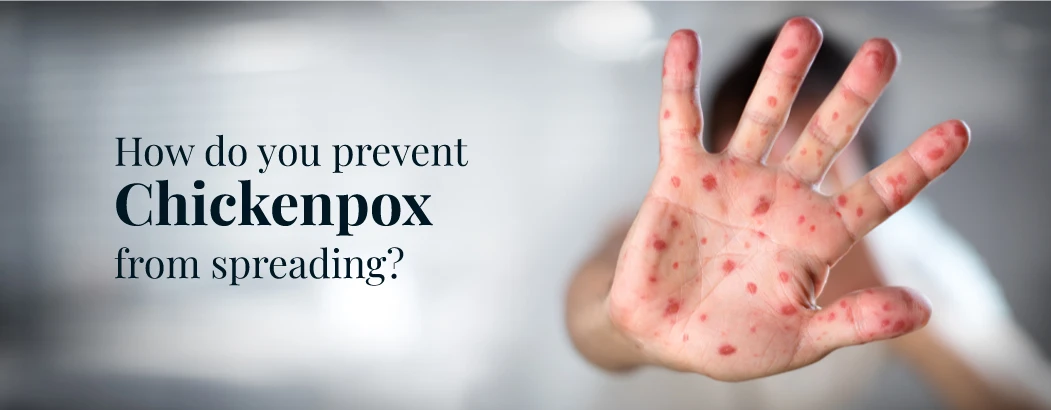
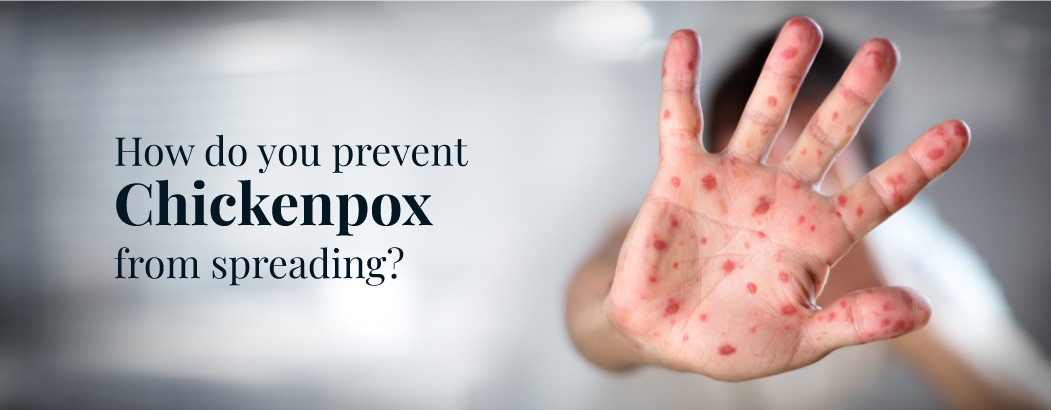
The varicella zoster virus, which causes chickenpox is a very contagious virus. Despite being able to impact people of many ages, it primarily affects children. A red, itchy skin rash that often begins on the face and spreads to other parts of the body is the hallmark of chickenpox. Fever, headaches and overall discomfort are potential additional symptoms.
Direct contact with the rash and respiratory droplets from infected people’s coughs and sneezes are two ways the virus spreads. Even while chickenpox is normally a benign and self-limiting condition, it can cause more serious consequences in some groups of people, including infants, expectant mothers and those with compromised immune systems. Chickenpox and its consequences can be avoided with vaccination.
Transmission Modes
Direct Contact
Chickenpox primarily spreads through contact with an infected person, especially through respiratory droplets when they cough or sneeze. It can also spread through contact with the fluid from their blister packs.
Airborne Transmission
Airborne transmission happens when the virus turns into tiny particles in the air, especially in poorly ventilated indoor spaces. Inhaling these particles can cause infection.
Indirect Contact
Chickenpox can spread indirectly through contaminated objects. The virus can survive on surfaces like toys and doorknobs for a short time. If someone touches these surfaces and then their face, they can get infected.
Maternal Transmission
Pregnant women without immunity can pass chicken pox to their baby, usually in later pregnancy or during birth. Neonatal chickenpox needs urgent medical care.
Factors Affecting Spread
Contagiousness of Chickenpox
Chickenpox is highly contagious, with infected individuals being most contagious from one to two days before the appearance of the rash until all blisters have crusted over. This extended period of contagiousness contributes to its rapid spread.
Vulnerable Populations
Certain populations, like babies and pregnant or immunocompromised people, face higher chicken pox risks. Virus prevention is vital around them.
Seasonal Patterns
Chickenpox exhibits seasonal patterns, with higher incidence rates occurring during late winter and early spring. Understanding these patterns can help healthcare authorities prepare for outbreaks and implement preventive measures.
Preventing Chickenpox Spread
Vaccination
Vaccination is the best chickenpox prevention method, reducing infection risk and complications. Immunization has lowered chickenpox rates in many places.
Hygiene Practices
Good hygiene, like handwashing and covering coughs, helps prevent chicken pox spread. These measures reduce transmission risks.
Quarantine Measurements
Isolating infected people and those in close contact is vital to prevent spread. Keeping them away from school or work helps curb transmission.
Immune Globulin
Immune globulin (IG) can offer temporary protection if given shortly after exposure to chicken pox, especially for high-risk individuals. It contains antibodies that may reduce the disease’s severity.
Chickenpox vs. Shingles
The chickenpox virus can later cause shingles. Shingles isn’t contagious, but it can transmit chickenpox to those without immunity. This risk emphasizes the importance of chickenpox prevention through vaccination and hygiene.
Conclusion
Knowing how chickenpox spreads is crucial to prevent transmission and protect vulnerable groups. The virus spreads through direct contact, airborne particles, touching contaminated objects, and maternal transmission. Factors like chickenpox’s contagiousness, vulnerable populations, and seasonal patterns influence its spread. Preventive measures, including vaccination, good hygiene, quarantine, and immune globulin treatment, are essential in controlling chickenpox. Awareness of the link between chickenpox and shingles is also important for public health.