
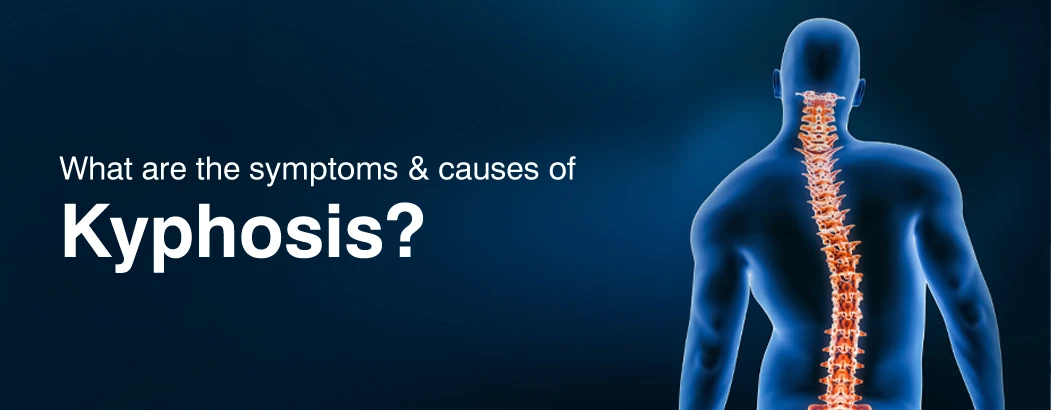
What Is Kyphosis?
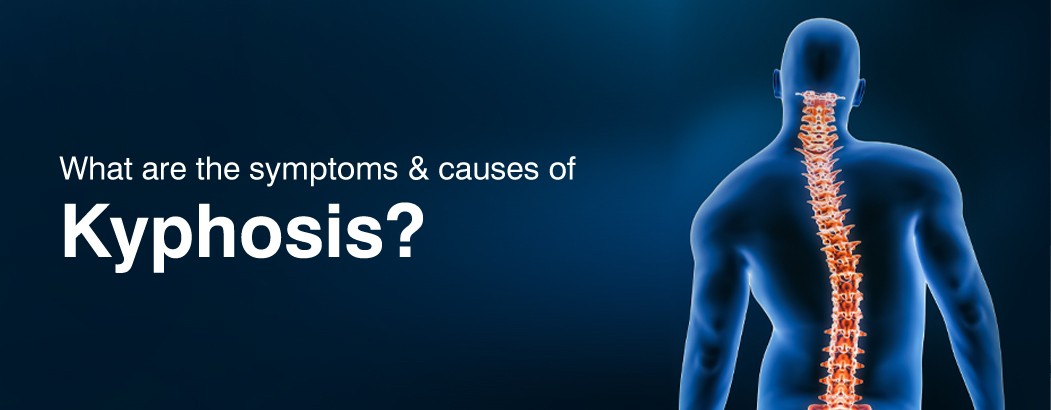
Types of kyphosis
Kyphosis is a spinal condition characterized by an abnormal curvature of the upper back resulting in a rounded or hunched posture. There are several types of kyphosis, each with its causes, characteristics and treatment approaches:
1) Postural kyphosis
Causes: This is the most common type of kyphosis and is frequently associated with poor posture, especially in adolescents. Slouching or carrying heavy bags can also cause it.
Characteristics – Postural kyphosis is characterized by a slow, non-progressive rounding of the upper back. It is frequently painless and does not require structural alterations of the spine.
Treatment: focuses on correcting posture through physical therapy, exercises and ergonomic changes. Reinforcements are rarely required.
2) Scheuermann’s kyphosis
Causes: Scheuermann’s kyphosis usually develops during periods of growth spurts in adolescence. It results from wedging of the vertebrae, which causes an exaggerated forward curvature of the spine.
Characteristics – This type is characterized by a more pronounced curvature of the upper back, often accompanied by back pain or discomfort. X-rays reveal different structural changes in the vertebrae.
Treatment: Treatment options include physical therapy, exercises to strengthen back muscles, and braces for teens with significant curvature. Severe cases may require surgery to correct the deformity.
3) Congenital kyphosis
Causes: Congenital kyphosis is present at birth and is the result of abnormal spinal development during fetal development.
Features: Severity and symptoms can vary widely. It can involve structural abnormalities in the spine, in some cases causing a noticeable hump.
Treatment: Treatment depends on the severity and may involve observation, bracing, or surgery to correct the spinal deformity.
4) Degenerative kyphosis
Causes: Degenerative kyphosis is most commonly seen in older people as a result of age-related changes in the spine, including such as disc degeneration and vertebral compression fractures.
Characteristics – It is distinguished by a forward curvature of the upper back, which is frequently accompanied by back pain, stiffness and loss of mobility.
Treatment: Focuses on reducing pain, maintaining spinal function, and preventing future deformities. Treatment options include physical therapy, pain relievers, and, in certain circumstances, surgery to stabilize the spine.
5) Nutritional kyphosis
Causes: Nutritional kyphosis is a rare type of kyphosis seen in malnourished children during periods of high development.
Features – Shortages of vital nutrients needed for healthy bone formation can cause severe spinal deformities and growth limitations.
Treatment: includes addressing underlying nutritional deficiencies with a well-balanced diet and nutritional supplements. Medical treatment is required to ensure proper growth and development.
6) Post-traumatic kyphosis
Causes: Post-traumatic kyphosis develops after spinal injuries or fractures, which can occur at any age.
Characteristics – The intensity and location of the damage determine the extent of the deformity. It often causes a visible alteration in the curvature of the spine.
Treatment: In severe situations, surgery may be required to stabilize the spine. Rehabilitation and physical therapy are critical components of healing.
7) Neuromuscular kyphosis
Causes: Neuromuscular kyphosis is related to underlying neuromuscular disorders, such as cerebral palsy or muscular dystrophy, which weaken the supporting muscles of the spine.
Characteristics – Arises from muscle weakness and tends to worsen, causing severe spinal deformity.
Treatment: the goal is to manage the neuromuscular problem. Options include physical therapy, braces, and in some cases, surgery to treat spinal deformities.
Identifying the type of kyphosis is essential to designing the appropriate treatment plan, as different types can have different causes and have different treatment options. Early intervention and proper management can relieve symptoms and prevent further deterioration.
Symptoms of kyphosis
Rounded back: The upper back appears rounded or hunched.
Back pain: often accompanied by varying degrees of pain.
Rigidity: Reduced flexibility in the back.
Fatigue: Muscles get tired due to abnormal posture.
Limited movement: difficulty bending, twisting, or rotating the torso.
Weak muscles: Supporting muscles may become weak.
Nerve pressure: Severe cases can press on the spinal nerves, causing sensations or weakness.
Respiratory problems: Reduced lung capacity causes difficulty breathing.
Digestive problems: Pressure on the abdominal organs can cause digestive problems.
Self-esteem: Affecting body image and self-esteem.
Progression: This can worsen over time, especially in adolescents.
Neurological effects: Severe cases can compress the spinal cord and cause severe symptoms.
The severity and progression of these symptoms can vary between people, making early diagnosis and medical evaluation crucial for proper management and treatment.
Deals
Pain and discomfort
Kyphosis causes ongoing back pain due to the curvature of the spine that strains the muscles, ligaments, and discs. As it worsens, the pain intensifies. Relief involves physical therapy, pain treatment, and sometimes corrective surgery.
Reduced mobility
Kyphosis restricts spinal movement, affecting daily activities such as bending and lifting. Physiotherapy is essential to improve mobility through specialized exercises and stretches.
Breathing problems
Severe kyphosis can limit lung expansion and cause breathing problems. Respiratory aids such as supplemental oxygen may be needed.
Digestive problems
Kyphosis can compress the abdomen, causing digestive problems and discomfort. Diet changes, posture adjustments, and medications can offer relief.
Cardiovascular impact
Severe kyphosis can stress the heart and blood vessels, which can cause chest pain and difficulty breathing. Cardiovascular management is crucial and medical help may be needed.
Psychological impact
Kyphosis can affect self-esteem and mental health. Emotional support, such as counseling or support groups, is essential for those suffering from this condition.